


How to treat prostatitis in men: drugs and the first signs of prostatitis.
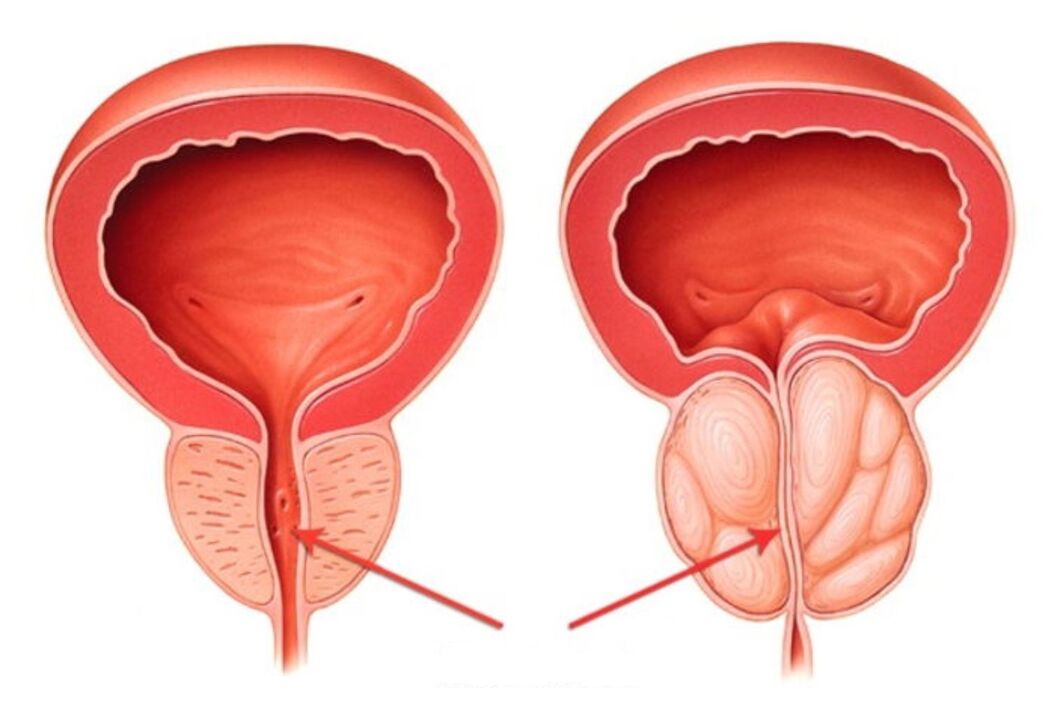
Prostatitis is characterized as inflammation of the prostate tissue, which occurs due to the development of stagnation in it.
In the modern world, this is the most common urological disease among men of all ages.According to statistics, after 30 years prostatitis disease affects 30% of the male population, after 40 - 40%, after 50 - 50% and then increases.
However, taking into account the diagnostic features and the possibility that the disease occurs in a latent form, the actual number is higher.
Because of development
Currently, the causes of prostatitis are divided into two large groups:
- Infectious - (sexual infection (penetration of pathogens into the prostate tissue - microbes, viruses, bacteria, fungi, etc.): also the presence of chronic infection foci (chronic tonsillitis, sinusitis, kidney pathology), operations on pelvic organs).
- Non-infectious (stagnant) (decreased immunity, hypothermia, decreased physical activity, inactive lifestyle, prolonged sexual abstinence and, on the contrary, excessive sexual activity, alcohol abuse).
The development of prostatitis is facilitated by injuries, impaired blood and lymph circulation in the pelvic organs, and hormonal disorders (absolute or relative androgen deficiency).
Therefore, it is emphasized that the isolated entry of the pathogen into the tissue of the organ is not always and does not necessarily become the cause of the development of the disease.The most frequently identified pathogen was Escherichia coli (86%), followed by Klebsiella, Proteus, Enterococcus, and Pseudomonas aeruginosa.Regarding streptococci, staphylococci, chlamydia, mycoplasmas, and ureaplasmas, researchers have different opinions about their importance in the development of the disease.Very rarely, prostatitis is caused by certain pathogens (treponema pallidum, Koch's bacillus).
Classification
Currently, the international classification of prostatitis has been adopted, which is the most complete and includes all types of inflammation:
- Category I. Acute prostatitis;
- Category II.Chronic bacterial prostatitis;
- Category III.Non-bacterial chronic prostatitis/chronic pelvic pain syndrome - a disease in which the infection is not detected, lasting more than 3 months;
- Subcategory III A. Chronic inflammatory pelvic pain syndrome (leukocytes detected in prostate secretion);
- Subcategory III B. Chronic non-inflammatory pelvic pain syndrome (no leukocytes in prostate secretion);
- Category IV.Asymptomatic chronic prostatitis (leukocytes are present in the prostate secretion, the patient has no complaints, the disease is detected by chance).
The first signs
The main symptoms of acute prostatitis are increased body temperature and frequent urination, which is accompanied by pain and weak pressure.In addition, signs of prostatitis include burning in the perineum and pain in the rectum during bowel movements.In the stage of purulent inflammation, the possibility of spontaneous opening of the abscess and leakage of pus from the urethra or rectum.
Signs of the chronic form are a burning sensation in the urethra and perineum, discharge of pus at the end of defecation or urination, increased fatigue and body irritation.
Difficulty urinating with prostatitis is very dangerous, which, if not treated in time, can cause acute urinary retention.Men should not ignore the indirect signs of the development of prostatitis as a complete or partial decrease in libido, accelerated ejaculation, sometimes painful, and prolonged erection at night.All these symptoms are characteristic of inflammation of the prostate gland, even in uncomplicated stages and can receive adequate treatment.
symptoms
If acute prostatitis is impossible not to notice, then with chronic prostatitis many do not notice certain signs or do not pay attention to them.
We list the main symptoms of prostatitis in men:
- Urinary problems.Due to the narrowing of the urethral lumen, the flow may become moist, thin or intermittent.In order to have a bowel movement, the patient has to make an effort, which should not happen.Sometimes the urine needs to be squeezed out drop by drop, especially in the early stages of urination.Painful sensations often occur.Many patients experience a frequent urge to urinate (especially at night), this is due to irritation of the nerve endings.Even after going to the toilet, many people have the feeling that the bladder is not completely emptied, this is due to the enlargement of the prostate and compression of the bladder.In severe cases, involuntary leakage of urine or incontinence may occur.
- A painful sensation.As a rule, they are localized in the perineum, pubis or testicles, in the groin or in the lumbar region.Pain can occur suddenly and also pass quickly, often it is quite severe, but more often it is dull or painful.
- Sexual problems will definitely arise.First, your sex drive will decrease significantly.Second, problems with erection may occur.Third, due to ejaculation problems (ejaculation), the average duration of sexual intercourse will change: it may be short due to premature ejaculation or, on the contrary, too long due to delayed ejaculation.Fourth, the sensation will also change, because the orgasm will not be bright.Fifth, the amount of sperm will decrease significantly (only a few drops can be released, which is not normal).
- Another characteristic symptom is a problem with conception.If a man plans a child, then with prostatitis fertilization becomes impossible due to impotence or insufficient sperm motility.
- Discharge from the urethra.They are usually white in color and have a slimy consistency and are observed most often in the morning.
- In acute cases, there is an increase in body temperature (up to 38-39 °), fever, deterioration in the general condition, weakness, malaise and other similar manifestations.Such prostatitis symptoms usually occur suddenly, without any preconditions.
In addition, many people have psychological problems related to the symptoms listed above.A man may become insecure about himself, his self-esteem will be greatly reduced, he will be depressed or irritable and nervous.Many representatives of the stronger sex are embarrassed by such a complicated problem and do not consider it necessary to discuss it, keeping everything to themselves.And this puts a lot of pressure on the psyche, changes behavior and in some cases can cause depression or nervous breakdown.
Chronic prostatitis
Many men do not pay much attention to the manifestations of prostatitis in the early stages.This is a non-intrusive pain in the bladder area, a frequent urge to go to the toilet.The stronger sex associates normal ejaculation and erection disorders with age and does not rush to consult a doctor.Such frivolity leads to the development of chronic prostatitis.
Therefore, we list the general symptoms of various forms of chronic prostatitis:
- Discomfort and pain in the urethra during urination or sexual intercourse, a little serous-purulent discharge from the urethra (especially after prolonged retention of urine).
- Moderate discomfort and/or pain in the form of "ache" and heaviness in the perineal area, arising or intensifying after drinking alcohol, physical activity, or sexual intercourse.Sometimes it is temporary, paroxysmal.
- A reduction in the ability to fertilize, which is caused by an increase in the acidity of secretions, a decrease or absence of sperm motility, and their agglutination (sticking) of the head.
- Sudden frequent urge to urinate (sometimes up to 3 times in 1 hour) and a feeling of insufficient emptying of the bladder, which is explained by a violation of the regulation of the prostate nerve, muscle fibers and bladder.
- Pain during orgasm or the sensation of an extinguished orgasm, ejaculation disorder, expressed in a premature state or, on the contrary, in a period of excessive sexual intercourse.This phenomenon is associated with the inflammatory process in the area of the seminal tubercle or its scar due to inflammation.
To diagnose the disease, you need to consult a urologist.Using tests, the doctor makes a diagnosis and prescribes a course of medication.
Diagnostics
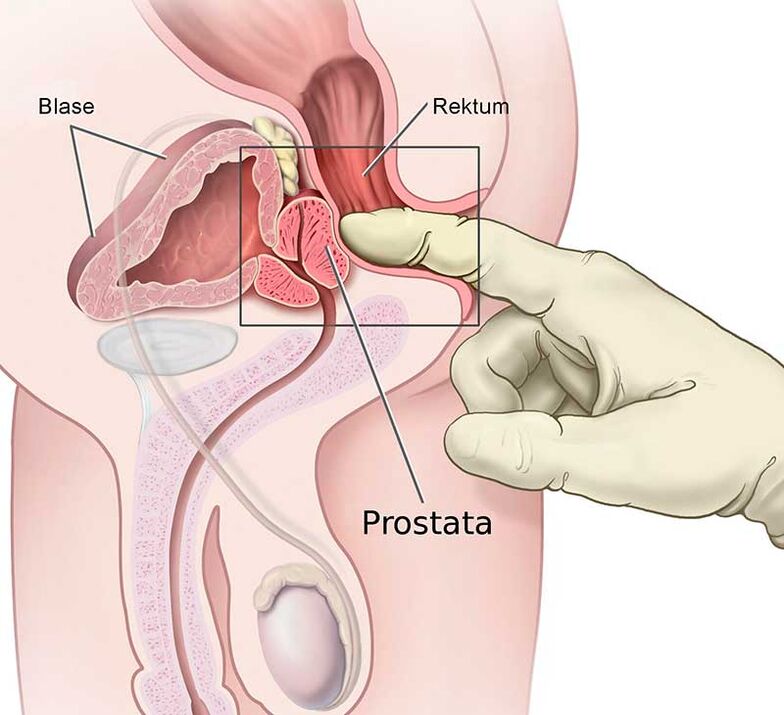
To make an accurate diagnosis, a man needs to be examined by a doctor and undergo tests.With prostatitis, the patient experiences pain due to palpation in the perineal area.Internal palpation of the rectum shows the presence of swelling in the area of the prostate gland;it becomes solid to the touch.The patient complains of problems with the genitourinary system.After collecting the anamnesis, the patient must undergo a detailed blood test for the presence of excess protein, increased levels of leukocytes and prostate antigen.
To exclude infection, the patient must undergo a urethral smear.The laboratory will culture the identified bacteria and test their sensitivity to certain types of antibiotics.For an accurate picture, an ultrasound examination of the pelvic organs is performed.It clearly shows inflammation and enlargement of the prostate.If the gland has grown rapidly, then on ultrasound you can see the presence of residual urine in the bladder.
After all tests and studies are completed, the man will be given a full diagnosis and prescribed treatment.
Drugs for the treatment of prostatitis in men: list
Complex treatment for various types of prostatitis may include a combination of the following methods:
- immunocorrective therapy;
- antibiotic therapy;
- hormone therapy;
- various physiotherapy procedures;
- prostate massage;
- lifestyle changes;
- surgery, etc.
Treatment of prostatitis with drugs includes taking various drugs, including antibiotics:
- alpha blockers;
- hormonal drugs;
- muscle relaxants;
- immunomodulators;
- rectal suppositories;
- antibacterial drugs.
When treating with antibiotics, preference is given to fluoroquinols and macrolides, because they can accumulate in the necessary concentration in the prostate tissue.Penicillin and tetracycline are used less frequently.
Prostate massage
Prostate massage shows good results.The gland receives a complex effect.First of all, it becomes possible to remove from the body inflammatory secretions accumulated in the prostate (it is removed during massage).Improving blood circulation through this manipulation makes it possible to combat various types of stagnation, and also promotes good penetration of antibiotics into the glandular tissue.
Training set
Prostate Exercise:
- This very simple exercise is used for treatment and prevention.It consists of squeezing and relaxing the anal muscles.These muscles are responsible for holding back the flow during urination.Try to squeeze and open a group of muscles.This will increase blood flow in the area of the gland.
- To improve blood circulation, use a contrast shower.To do this, direct the flow of water to the perineum.First, 30 seconds of very warm water, then 10 seconds of cold water.
- If there are no acute symptoms, you can massage yourself.This is done to increase blood flow.The exercise is best done in a lying position.The massage point is between the anus and the scrotum.Pressing should be confident, but not aggressive.Time 3-5 minutes.
Be sure to consult your doctor before using the exercise.Sometimes its use is not acceptable at all.
Immune correction
Decreased immunity has a negative impact on health.
This factor is one of the basic factors in the development of the disease and its worsening.A long course of antibiotics, required for prolonged prostatitis, also reduces the body's defenses.Therefore, patients are recommended to consult an immunologist to choose a strategy for immunocorrection.
Physiotherapy
Physiotherapy for chronic prostatitis aims to activate blood circulation.
For this purpose, the patient is exposed to laser, ultrasound, and magnetic vibrations are used.In some cases, this procedure is replaced by a warm medicinal enema, which is regularly given to the patient.Sitz baths, treatments with mud and mineral water are recommended.
Candles
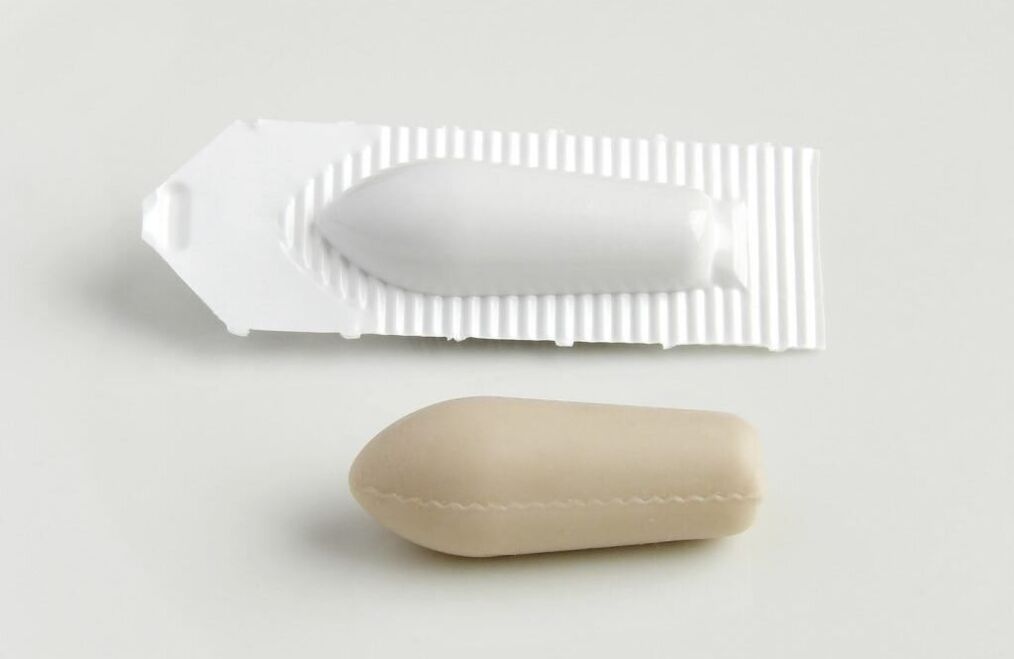
All suppositories for the treatment of prostatitis have one of the following properties: relieve pain (non-steroidal drugs), relieve spasms (based on papaverine), eliminate the inflammatory process (contain antibiotics).
Traditional methods of treating prostatitis
Treatment of prostatitis at home is only carried out for uncomplicated forms or chronic relapses.Traditional methods can increase the body's resistance to infection and relieve pain.
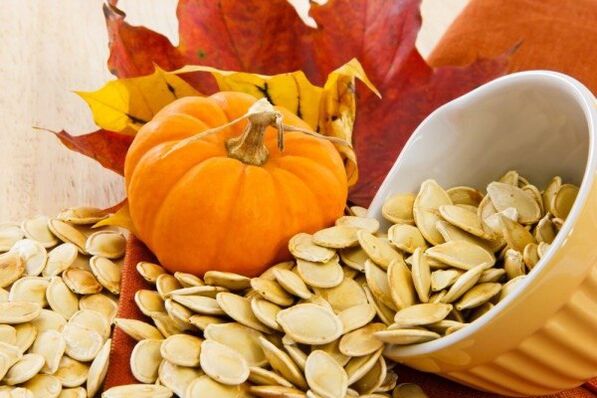
- Pumpkin seeds have long been used by healers in the treatment of prostatitis.They are good and very affordable folk remedies for the treatment of this disease.Since these seeds contain a lot of zinc, which is necessary for any man at any age, they quickly treat prostatitis.You only need to eat 30 seeds a day before meals.This is exactly the daily portion of zinc for the body.
- The seeds and roots of the plant are suitable.Crushed plant roots are boiled for 10 minutes at the rate of half a glass of raw material per 1 liter of water.The entire amount of decoction is drunk in equal parts instead of water.Seeds are brewed 4 teaspoons per glass of boiling water.Add for 40 minutes in a pot or 15 minutes in a thermos.Take about 3-5 times a day, one spoon.
- The main ingredient is hazel.To treat prostatitis, you need to take either hazel bark or hazel leaves.You can mix both ingredients alternately, alternately.Be aware that the bark needs to be brewed twice as long, as it is harder.So, take a spoonful of hazel leaves (or bark) and mix it in a glass of boiling water.Close the lid tightly and wait half an hour.Then filter and take 1/4 cup 4 times a day.It is best to use fresh twigs every time, but you can also use twigs that have been used several times.Usually a week of such a procedure is enough - and the prostatitis disappears.
- To treat diseases, candles are made and stored in the refrigerator.For the mixture, take 1 teaspoon of honey, 1 egg and about 3 tablespoons of flour.The components are mixed until smooth, forming wax.Use in two courses, morning and evening, 1 piece each, for 1 month with an interval of 10 days.
- Celandine is used with caution.The plant is poisonous, overdose leads to severe poisoning.At the same time, medicine from celandine will cleanse the body of polyps, neoplasms, cysts, and will prevent prostate adenoma.Freshly squeezed juice is diluted with alcohol in equal parts.Drink daily, diluted in 50 ml of water.Start treatment with 1 drop, increasing the concentration by 1 drop every day for 60 days.After 10 days the course is repeated.
Most folk remedies are used daily 1-3 times in a course of 20-30 days.Treatment with homemade herbal medicine lasts longer due to its mild effect than drugs, but is safer for the body, especially in the presence of concomitant diseases of the intestines and stomach.Treatment must be accompanied by gymnastics: leg raises, squats.Intensive walking for 15-30 minutes daily is recommended.
Complications of prostatitis
In the absence of timely and adequate treatment, prostatitis can be complicated by the following conditions:
- development of chronic prostatitis;
- bladder obstruction;
- development of infertility;
- recurrent cystitis;
- urethral stricture;
- pyelonephritis;
- prostate abscess;
- sepsis.
Some of the above conditions require immediate surgical intervention!
Preventive measures
Prevention is to avoid provoking factors.A healthy lifestyle, protected sexual intercourse, and having one partner will reduce the chances of genitourinary system infections.General strengthening of the body and improving the immune defense are also preventive measures against prostatitis.